

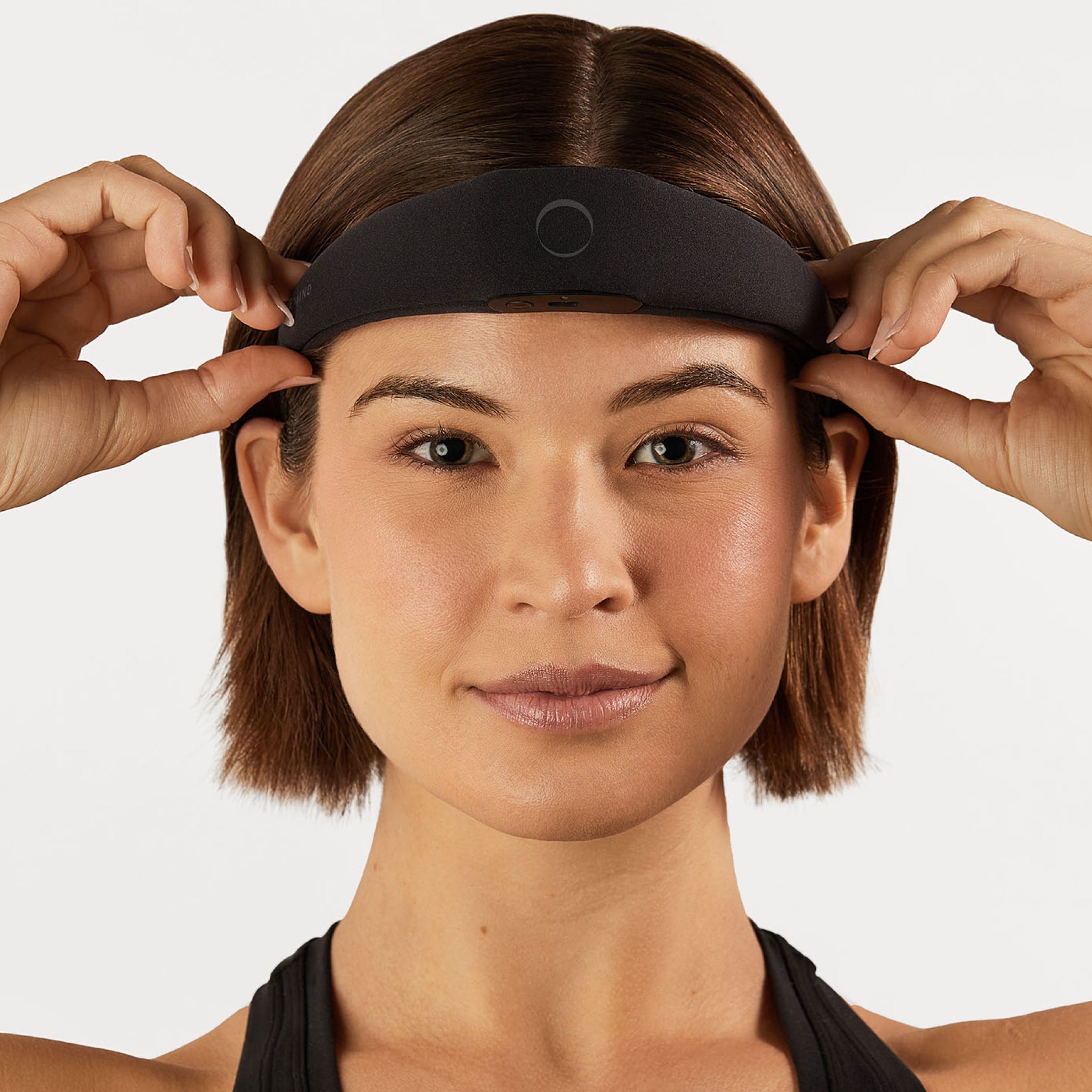
In our last post, we checked out Berkeley’s Somnee, which makes a headband designed to put you to sleep by applying personalized electrical stimulation in the theta and alpha band frequencies. Today, we’re looking at their East Coast competitor Elemind, which relies on auditory stimulation from their headband instead of electrical.
To understand how Elemind works, we need to understand “communication through coherence.” This is a concept by neuroscientist Pascal Fries that says that neurons that oscillate in phase with other neurons transmit information more easily with each other. When I say a neuron oscillates, I mean that it fires off spikes in voltage at a certain frequency.
Elemind’s goals, outlined in their white paper, are simply to estimate the phase of these neuronal networks in real time and stimulate them based on that phase.
The first part of that involves their proprietary algorithm: the end-corrected Hilbert Transform (ecHT). Estimating the phase of neural oscillations is difficult, because they are so dynamic. This algorithm is a step up from previous techniques in how fast and efficient it is.
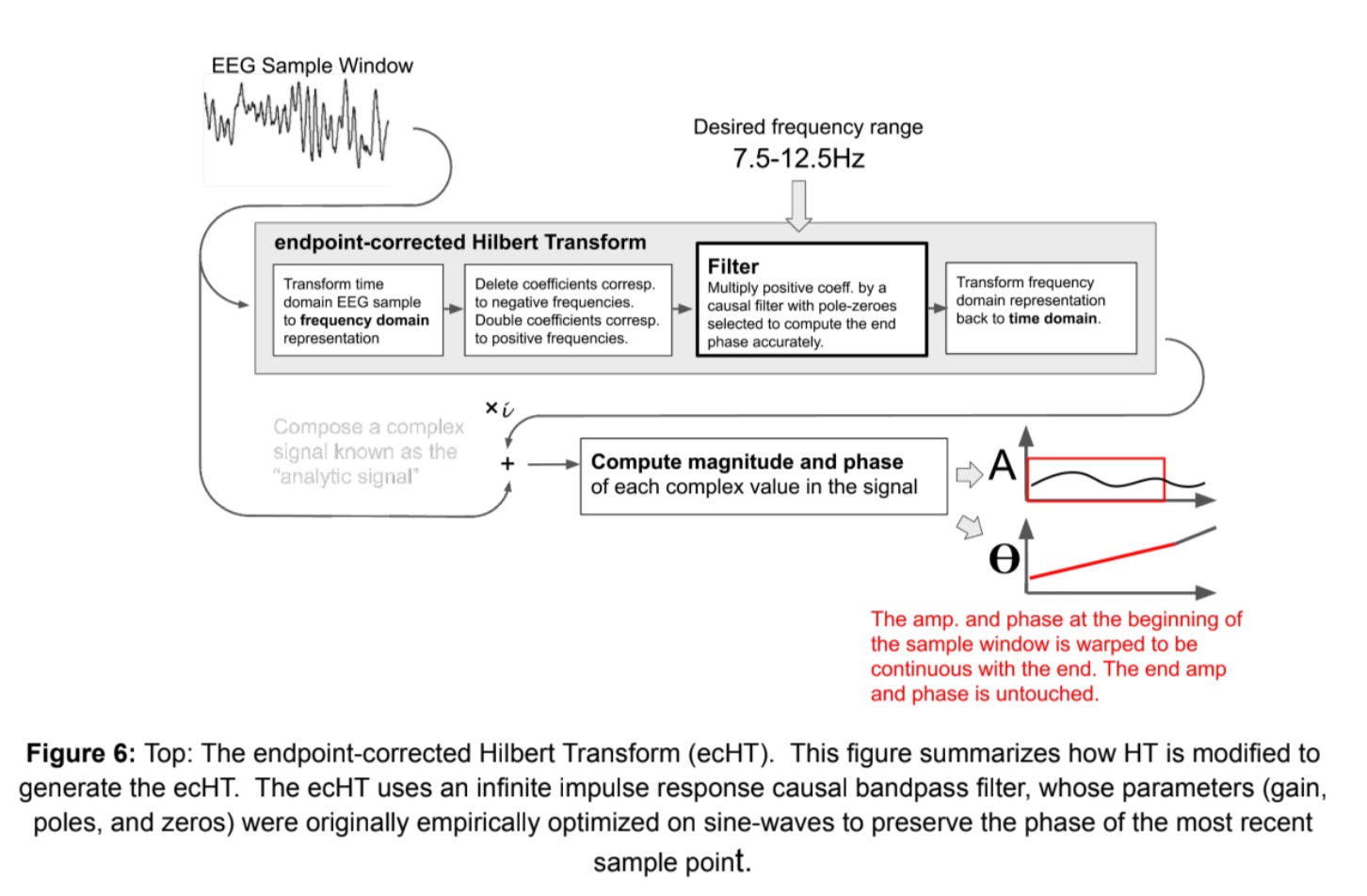
Both Elemind and Somnee are closed-loop, meaning that they continuously record neural signals in the form of EEG and use that to tailor their stimulation to the patient. The key difference between Elemind and Somnee is that Somnee measures the strongest frequency in the alpha and theta bands and stimulates according to that. Elemind also looks at their data in the frequency domain, but they calculate the phase, or the precise timing of the wave. That is necessary to stimulate in a way that is in phase or out of phase.
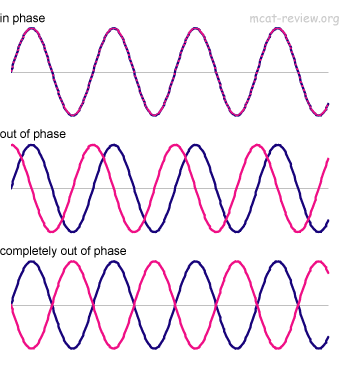
In the case of Elemind, they use their headband to deliver auditory stimulation out of phase with the alpha waves (7.5-12.5 Hz) for thirty minutes. Why alpha waves? There is an association between them and arousal before and during sleep. I haven’t seen anyone use auditory stimulation to affect neural signals in this way before. I wouldn’t expect that listening to a sound of a certain frequency and phase would reproduce that frequency and phase in someone’s neuronal networks.
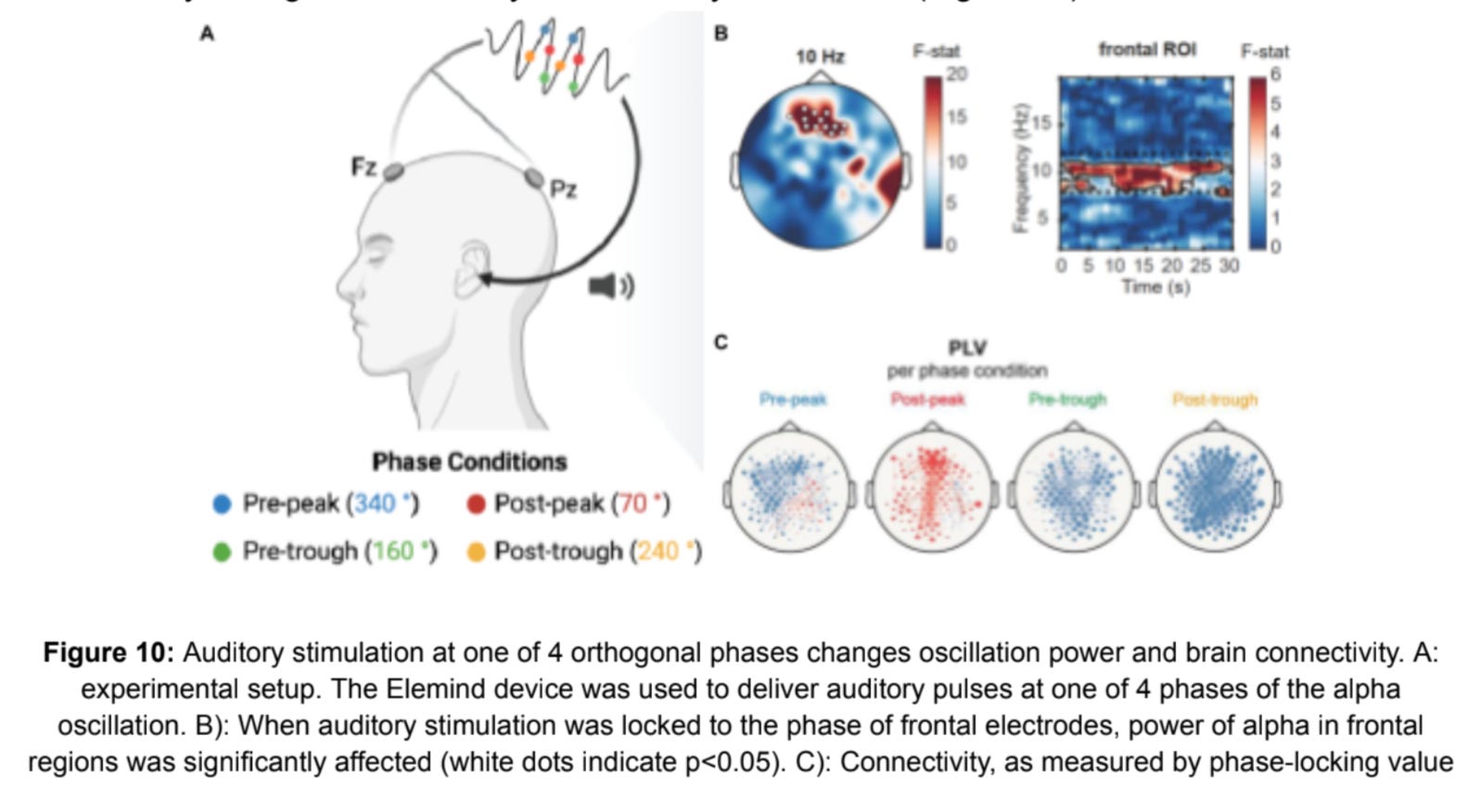

So how well does it actually work?
According to their study, the stimulation decreased sleep onset latency (SOL) by about 10 minutes, with a rather larger variance. These charts from Figure 5 show the difference between the Sham group (EEG recording with no stimulation) and the Stim group (EEG recording with tailored stimulation).
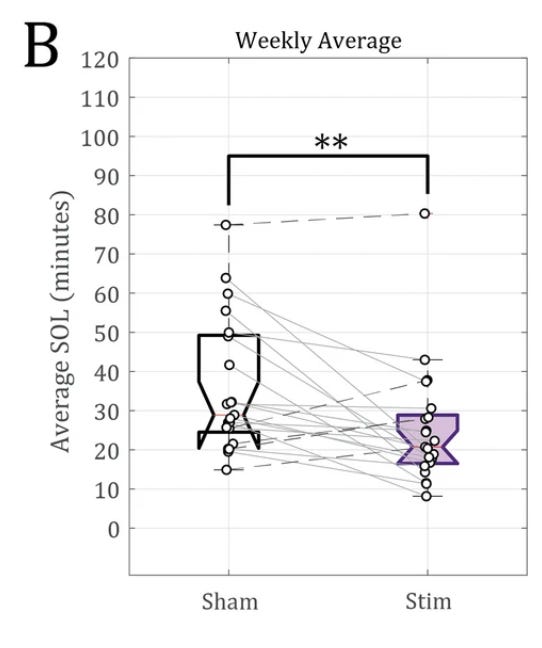
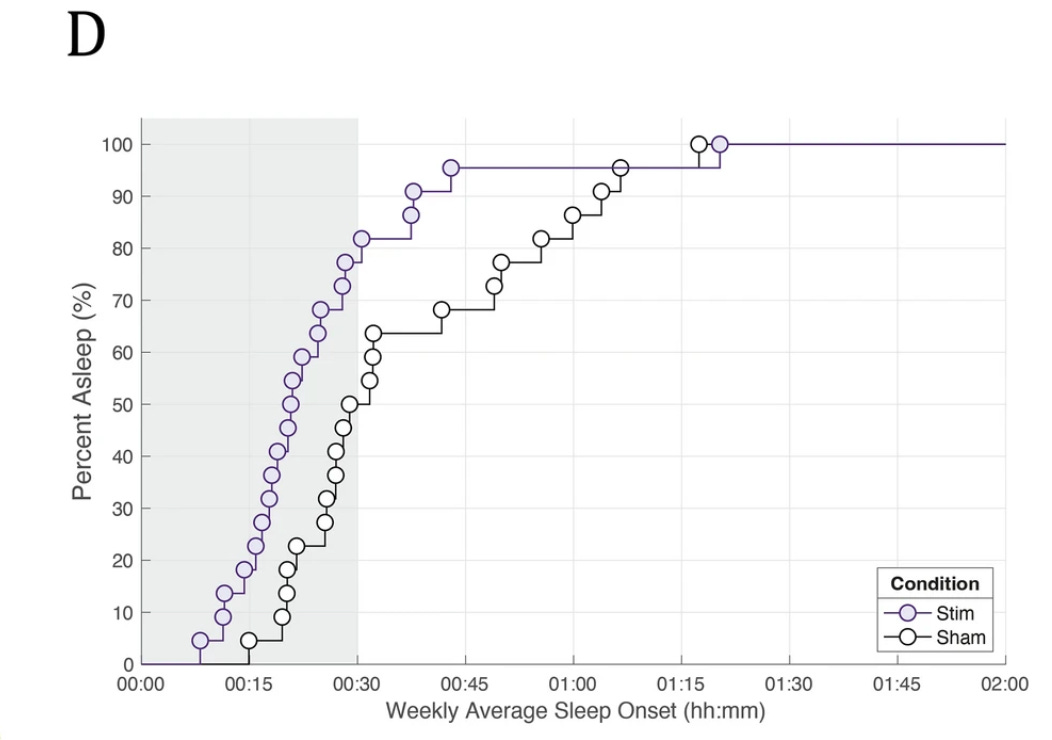
They decreased the average SOL from 36 minutes for Sham to 25 minutes for Stim, a decrease of 31%. In Somnee’s trial, they decreased the sleep onset time from 22 minutes on average to 16 minutes, a 27% decrease. However, the 22 minute baseline for the Somnee trial is not from a sham group, but a group with open-loop non-personalized stimulation (I couldn’t find the sleep onset time for their sham group). You would expect the open-loop group to sleep at least slightly better than their sham group, which they did in terms of sleep duration, so we can hypothesize that the 27% decrease in onset time is an underestimation if you compare it to the sham group.
Which one is cheaper? Somnee’s headband is $429 with a 45-day trial, while Elemind’s is $349 with a 30-day trial plus a subscription fee for the app. I don’t see why they can’t apply both auditory and electrical stimulation to make people fall asleep even faster. It’ll be like X.com and Confinity merging to create PayPal.